Poking holes in paper targets is a decent way to learn the basics of marksmanship. But let’s be honest: cardboard doesn’t shoot back, it doesn’t take cover, and it certainly doesn’t simulate the chaotic mental stress of a real-world Close Quarters Battle (CQB).
For a long time, agencies burned through massive budgets building physical shoot houses and running simunition drills. The downside? They are incredibly expensive to maintain, take up way too much space, and you are stuck with the same static floor plan day in and day out.
Enter KOMINA. This isn’t your standard consumer VR setup. Engineered for heavy-duty tactical training, KOMINA is completely changing the procurement game for defense and security forces. It offers a zero-risk simulation environment that actively builds lethal instincts and razor-sharp decision-making. Here is why the old ways of training are getting left behind.
Feeling the Fight: Precision Hardware
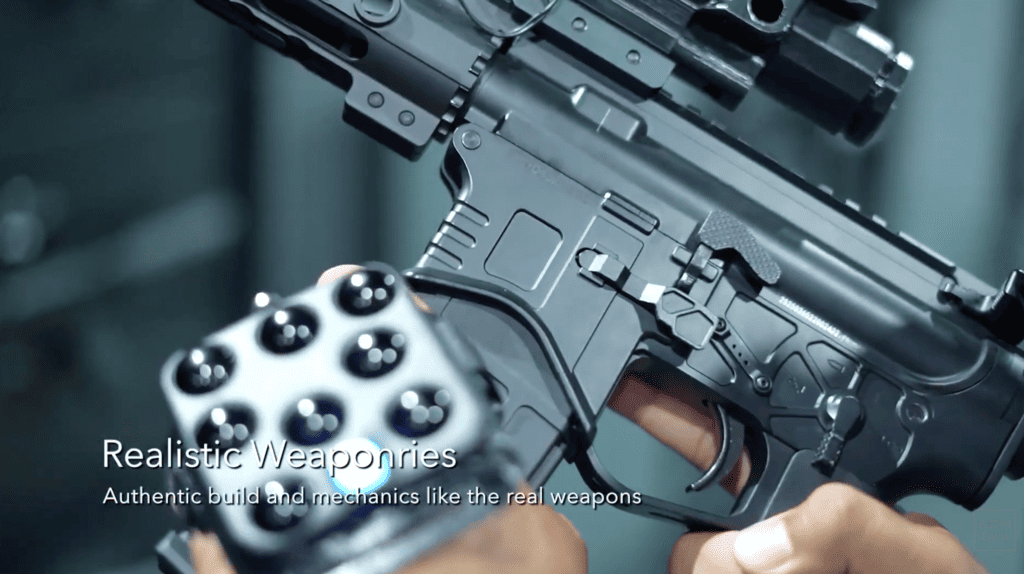
The quickest way to lose an operator’s attention is by handing them a cheap plastic joystick. KOMINA avoids the “arcade” feel entirely by pairing high-end VR headsets with professional-grade tactical weapon controllers. These 1:1 replicas mirror the exact weight, balance, and recoil of actual service rifles and sidearms.
But the real game-changer is the haptic vest. When an operator makes a mistake and takes a virtual bullet, the vest punches back with a hard physical shock to the torso. That immediate physical feedback spikes their adrenaline and forces the brain to build the exact muscle memory needed to seek cover under fire, just like they would in a live engagement.
The ‘Use of Force’ Sandbox
Out on the streets, pulling the trigger is the absolute last thing an officer wants to do. The real test is decision-making under intense pressure.
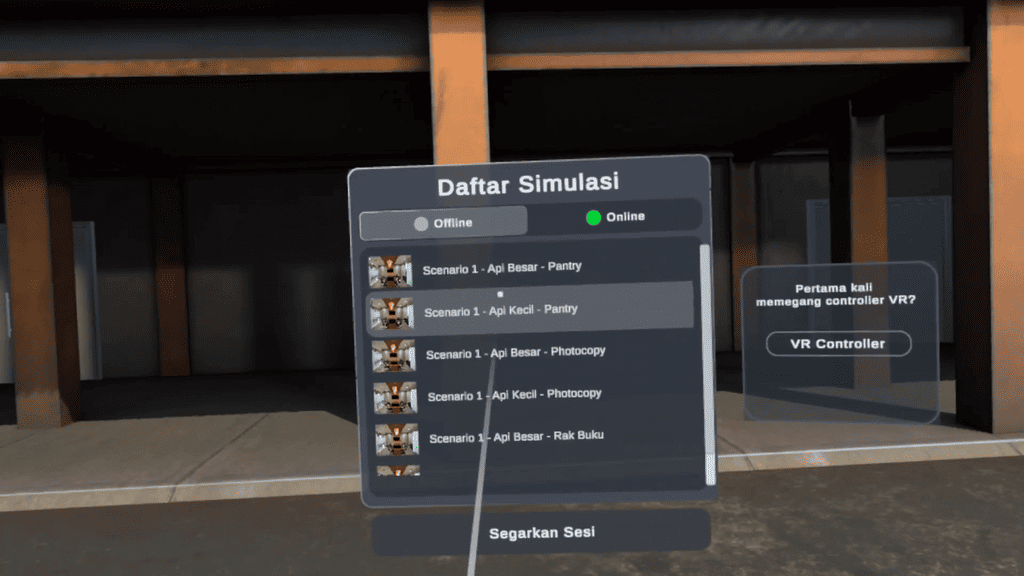
The KOMINA ecosystem shines here by offering dynamic, branching scenarios. Virtual suspects don’t just stand still; they react directly to an operator’s movement and verbal commands. It forces personnel to constantly weigh their options in milliseconds—deciding whether to rely on verbal de-escalation or deploy lethal force. It is the perfect sandbox for ironing out fatal tactical errors and protocol violations before a team ever leaves the compound.
Hard Data in the Debrief (AAR)
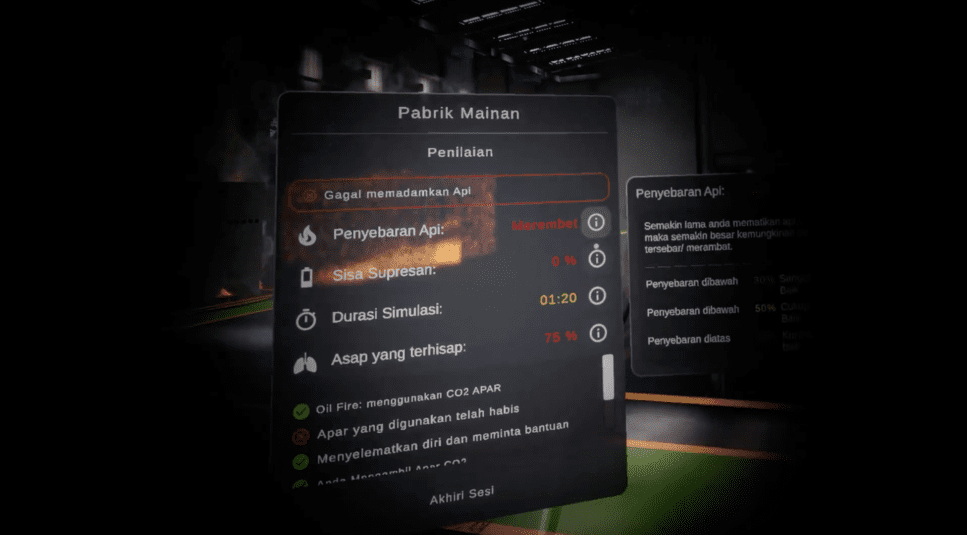
The learning actually accelerates the moment the virtual shooting stops. The KOMINA system quietly tracks every single micro-movement during the drill. We are talking about exact reaction times, muzzle discipline, and precise line of sight.
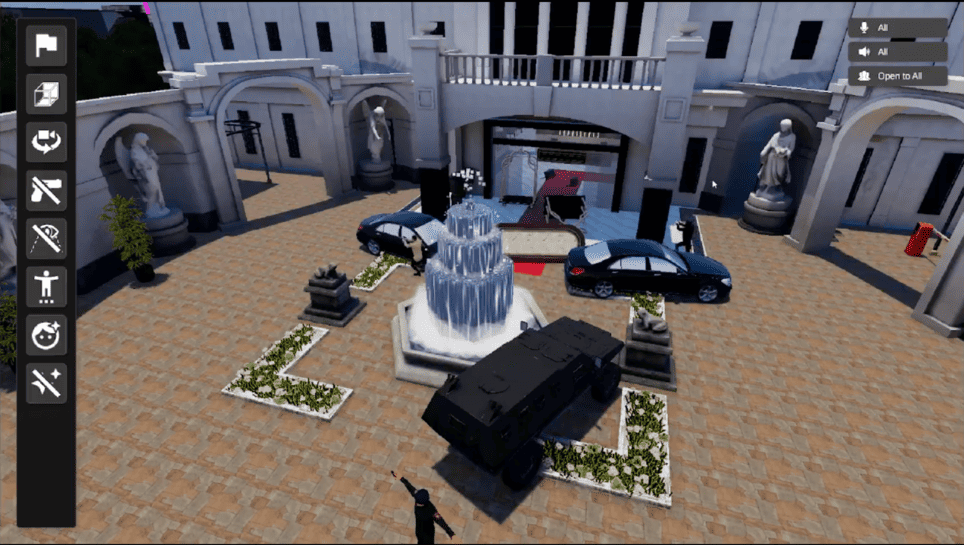
Once the scenario is over, instructors pull up the After-Action Review (AAR) to replay the entire raid in full 3D. You can view the team’s room-clearing formation from a bird’s-eye angle or even switch to see exactly what the enemy saw. Instructors can use this undeniable, hard data to show exactly who failed to clear a fatal funnel or who accidentally flagged a teammate.
Conclusion: No Compromises on Survival
Sending your crew into a live, high-stakes operation without the mental conditioning to back it up is an incredibly dangerous gamble.
The KOMINA ecosystem ensures that personnel have already survived the absolute worst-case scenarios dozens of times in the virtual world. When actual rounds start flying in the field, they won’t hesitate or freeze up. Upgrading your training infrastructure with this immersive tech isn’t just a nice addition to the briefing room—it is a non-negotiable investment in keeping your people alive.